October 10, 2026


A self-initiated project can be the most revealing piece in your portfolio. It shows what you choose to make when nobody is asking, how you solve problems, and how you think when the brief is yours. The trouble is that by the time a project is finished, the most useful evidence has often disappeared: the scrappy notes, the rejected routes, the version that almost worked. Documenting as you go turns those traces into a story that employers, clients and course tutors can follow.
Before you begin, create a folder structure you will actually use. Something like 01-brief, 02-research, 03-iterations, 04-final and 05-case-study is enough. Keep file names consistent: 2025-03-12-homepage-v3.png is easier to find than final-final-really.png.
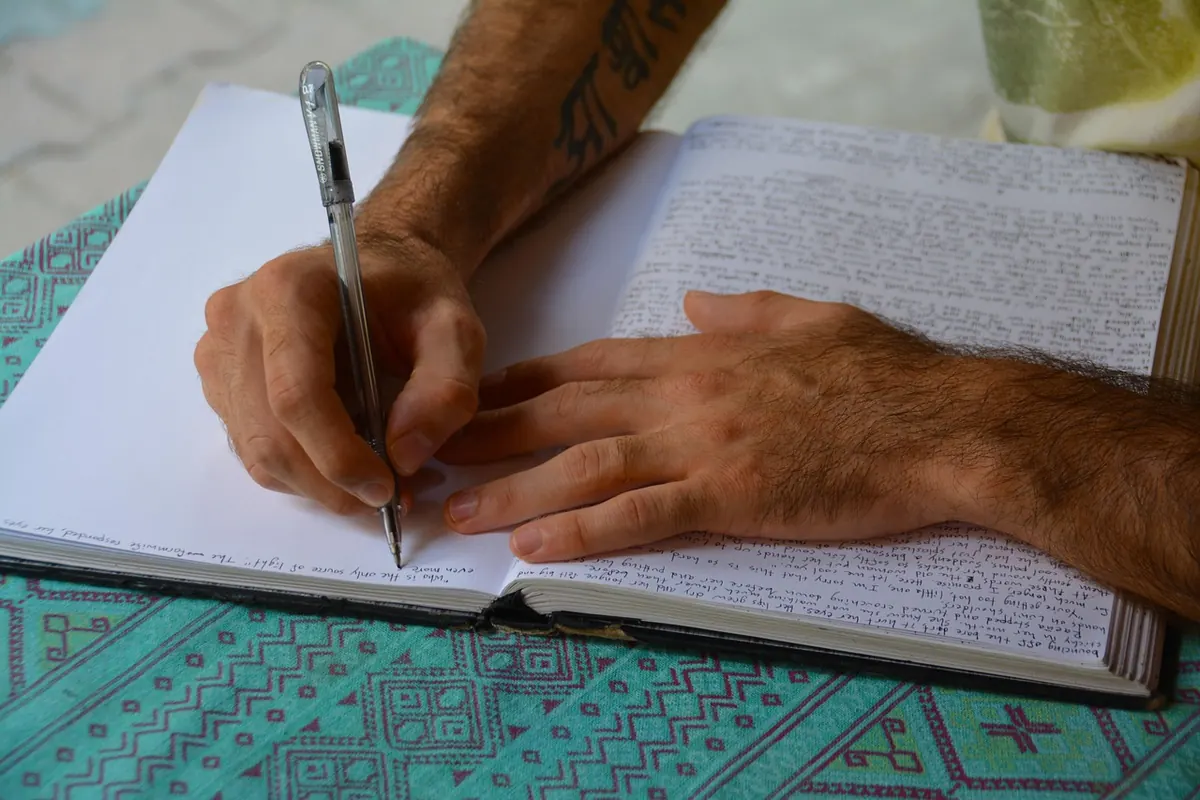
Add one running notes file. At the end of each work session, spend ten minutes recording what you did, what you decided, and what you will try next. This is not a diary. It is a decision log, and it will save you hours when you write the case study.
If you cannot explain why a change happened, the screenshot is only decoration.
Self-initiated work drifts. A desire to redesign a local café’s website can quietly become a branding project, a photography series and a booking system. Write a one-page brief at the start: what you are making, who it is for, why it matters, what constraints you are working within, and what a good outcome looks like.
Update the brief when the project changes. That record of shifting scope is valuable. It shows you can make decisions, not just follow a brief that someone else wrote.
Not all research belongs in the portfolio. Include the parts that changed your thinking: a competitor scan that revealed a gap, a materials test that ruled out a finish, a user interview that reframed the problem, a technical spike that proved an idea was possible. Capture sources as you go, and write a short note on what each source taught you. A moodboard without commentary says very little.
Iterations are where the thinking lives. For digital projects, save milestone versions rather than every save. Take screenshots of layouts, flows and components before and after a change. For code, use clear commit messages and keep a short changelog. For physical projects, photograph from the same angle each time so progress is visible. For writing, keep drafts with tracked changes.
A gallery of twenty near-identical screenshots is weak. A sequence of three or four, each with a caption explaining the problem, the change and the result, is strong.
Final outcomes deserve more care than a quick phone snap. Plan a capture session. Clean the background, use consistent lighting, and export files at sizes that look sharp on a portfolio page. For digital work, show more than a hero screen: capture mobile and desktop views, key interactions, empty states, error states and any design system pieces. For physical work, show scale, materials, details and the object in use.
Mockups can set context, but they should not replace evidence of the real thing. If the project is unfinished, say so. A clear scope and honest limitations are stronger than pretending a prototype is a product.
Now shape the raw archive into a narrative. Lead with a one-line summary that tells a reader what the project is and why it exists. Then move through context, challenge, constraints, approach, outcome and reflection. Keep it readable. Most portfolio case studies do not need thousands of words; they need the right details in the right order.
Write captions that do work. Replace “process shot” with “Third layout test: moving the filter to the top reduced the number of taps from four to two.” That kind of specificity shows judgement. Cut anything that does not help the reader understand a decision or the result. Credit collaborators clearly, and label speculative work as speculative.
Read the case study as a stranger would. Can they understand the problem within ten seconds? Is the final outcome visible early? Does every claim have evidence beside it? Remove jargon and overstatement. “Revolutionary” is less persuasive than “reduced the checkout to one screen”. Check facts, dates and names. Ask someone from outside your discipline to read it and tell you where they get lost.
Presentation matters too. Optimise images so the page loads quickly. Write alt text that describes what matters in each image. Use headings and short paragraphs so the page is skimmable on a phone. A portfolio is often viewed in a hurry, so make the story easy to enter.
Documentation does not need to be heavy. A ten-minute log at the end of a session, a quick photo before you clear the desk, and a two-hour assembly session at the end of the project will give you enough material. Keep the archive even after the case study is published; you may revisit the project in an interview and want the details.
Start small. Open a folder, write a one-page brief, and save the first screenshot. Do that consistently and your portfolio will show more than finished work. It will show how you think, decide and improve.
Photo: Yusuf Çelik / Pexels
Curated portfolios for creative professionals.
Copyright © 2026 Ideal Folio. All rights reserved. Ideal Folio.